Printable animal eye-fact cards
Print a deck of animal eye-fact cards, cut along the dashed lines and play. Pick a group: each card shows how that animal sees, worked out from real eye measurements. 11 groups, 222 cards, free for classrooms and home.
Pick a group
Tip: print on card, two cards across an A4 or US Letter page. The deck shows only the group you picked.
House sparrow
4 kinds of colour
- 4 colours: Sees 4 kinds of colour; you see 3.
- 13× blurrier: Sees about 13 times less detail than you.
- Sees fast motion at about the same speed as you.
seelikeanimals.com/animals/birds/house-sparrow/
European starling
4 kinds of colour
- 4 colours: Sees 4 kinds of colour; you see 3.
- 10× blurrier: Sees about 10 times less detail than you.
- 1.7× slower: Fast things look about 1.7 times slower to an European starling.
seelikeanimals.com/animals/birds/european-starling/
Rock pigeon
4 kinds of colour
- 4 colours: Sees 4 kinds of colour; you see 3.
- 4.6× blurrier: Sees about 4.6 times less detail than you.
- 1.5× slower: Fast things look about 1.5 times slower to a rock pigeon.
seelikeanimals.com/animals/birds/rock-pigeon/
Tawny owl
4 kinds of colour
- 4 colours: Sees 4 kinds of colour; you see 3.
- 6.7× blurrier: Sees about 6.7 times less detail than you.
- The zone where both its eyes see the same thing is about a third as wide as yours.
seelikeanimals.com/animals/birds/tawny-owl/
Great horned owl
4 kinds of colour
- 4 colours: Sees 4 kinds of colour; you see 3.
- 8.9× blurrier: Sees about 8.9 times less detail than you.
- A great horned owl takes in fewer snapshots of the world each second than you: about two thirds as many.
seelikeanimals.com/animals/birds/great-horned-owl/
Harris's hawk
1.5 times blurrier than you
- 1.5× blurrier: Sees about 1.5 times less detail than you.
- 1.3× slower: Fast things look about 1.3 times slower to a Harris's hawk.
- Wide: Sees a bit wider than you.
seelikeanimals.com/animals/birds/harriss-hawk/
Chicken
4 kinds of colour
- 4 colours: Sees 4 kinds of colour; you see 3.
- 9.1× blurrier: Sees about 9.1 times less detail than you.
- 1.7× slower: Fast things look about 1.7 times slower to a chicken.
seelikeanimals.com/animals/birds/chicken/
Red-tailed hawk
3.8 times blurrier than you
- 3.8× blurrier: Sees about 3.8 times less detail than you.
- Wide: Sees a bit wider than you.
- Active by day, like you.
seelikeanimals.com/animals/birds/red-tailed-hawk/
American kestrel
2.1 times blurrier than you
- 2.1× blurrier: Sees about 2.1 times less detail than you.
- Wide: Sees much wider than you.
- Active by day, like you.
seelikeanimals.com/animals/birds/american-kestrel/
Canada goose
4.8 times blurrier than you
- 4.8× blurrier: Sees about 4.8 times less detail than you.
- The zone where both its eyes see the same thing is about a quarter as wide as yours.
- Active by day, like you.
seelikeanimals.com/animals/birds/canada-goose/
Barn owl
19 times blurrier than you
- 19× blurrier: Sees about 19 times less detail than you.
- The zone where both its eyes see the same thing is about a third as wide as yours.
- Night shift: Most of its day happens at night.
seelikeanimals.com/animals/birds/barn-owl/
Budgerigar
4 kinds of colour
- 4 colours: Sees 4 kinds of colour; you see 3.
- 4.5× blurrier: Sees about 4.5 times less detail than you.
- 1.2× slower: Fast things look about 1.2 times slower to a budgerigar.
seelikeanimals.com/animals/birds/budgerigar/
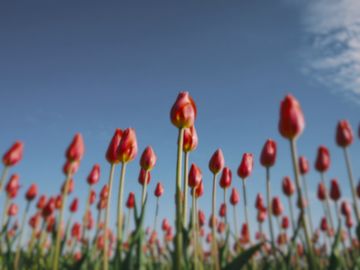
Mourning dove
9.3 times blurrier than you
- 9.3× blurrier: Sees about 9.3 times less detail than you.
- The zone where both its eyes see the same thing is about a quarter as wide as yours.
- Active by day, like you.
seelikeanimals.com/animals/birds/mourning-dove/
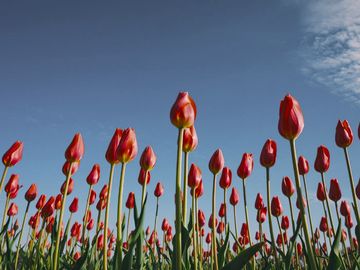
Turkey vulture
4.3 times blurrier than you
- 4.3× blurrier: Sees about 4.3 times less detail than you.
- Wide: Sees a bit wider than you.
- Active by day, like you.
seelikeanimals.com/animals/birds/turkey-vulture/
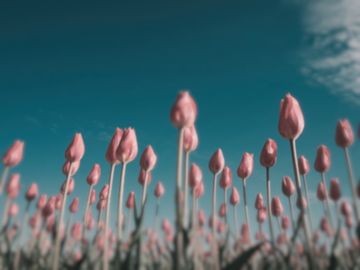
Tufted titmouse
9.7 times blurrier than you
- 9.7× blurrier: Sees about 9.7 times less detail than you.
- All around: Sees almost all the way around. Only a slice behind its head is hidden.
- Active by day, like you.
seelikeanimals.com/animals/birds/tufted-titmouse/
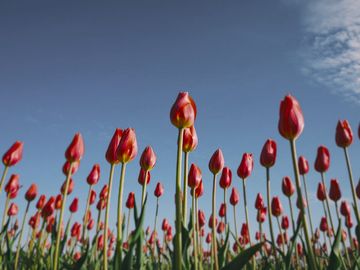
Rook
4 kinds of colour
- 4 colours: Sees 4 kinds of colour; you see 3.
- 2.1× blurrier: Sees about 2.1 times less detail than you.
- The zone where both its eyes see the same thing is about a quarter as wide as yours.
seelikeanimals.com/animals/birds/rook/
Dark-eyed junco
9.7 times blurrier than you
- 9.7× blurrier: Sees about 9.7 times less detail than you.
- All around: Sees almost all the way around. Only a slice behind its head is hidden.
- Active by day, like you.
seelikeanimals.com/animals/birds/dark-eyed-junco/
White-breasted nuthatch
9.3 times blurrier than you
- 9.3× blurrier: Sees about 9.3 times less detail than you.
- All around: Sees almost all the way around. Only a slice behind its head is hidden.
- Active by day, like you.
seelikeanimals.com/animals/birds/white-breasted-nuthatch/
Bald eagle
Two sharp spots per eye
- The zone where both its eyes see the same thing is about a third as wide as yours.
- Active by day, like you.
- Two sharp spots: Has two sharp spots in each eye; you have one.
seelikeanimals.com/animals/birds/bald-eagle/
Black kite
2 times blurrier than you
- 2× blurrier: Sees about 2 times less detail than you.
- The zone where both its eyes see the same thing is about a third as wide as yours.
- Active by day, like you.
seelikeanimals.com/animals/birds/black-kite/
Golden eagle
Two sharp spots per eye
- The zone where both its eyes see the same thing is about a quarter as wide as yours.
- Active by day, like you.
- Two sharp spots: Has two sharp spots in each eye; you have one.
seelikeanimals.com/animals/birds/golden-eagle/
Wedge-tailed eagle
2.2 times sharper than you
- 2.2× sharper: Sees about 2.2 times more detail than you.
- Active by day, like you.
- Two sharp spots: Has two sharp spots in each eye; you have one.
seelikeanimals.com/animals/birds/wedge-tailed-eagle/
Steppe eagle
Two sharp spots per eye
- The zone where both its eyes see the same thing is about a third as wide as yours.
- Active by day, like you.
- Two sharp spots: Has two sharp spots in each eye; you have one.
seelikeanimals.com/animals/birds/steppe-eagle/
Common buzzard
4 kinds of colour
- 4 colours: Sees 4 kinds of colour; you see 3.
- Sees fine detail about as sharply as you do.
- Active by day, like you.
seelikeanimals.com/animals/birds/common-buzzard/
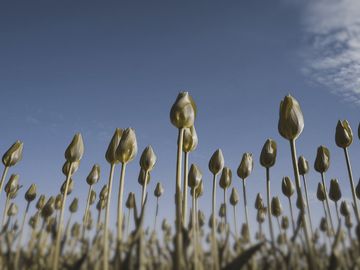
Cat
Sees blues and yellows
- Blue + yellow: Sees mostly blues and yellows. Red and green look alike.
- 7.2× blurrier: Sees about 7.2 times less detail than you.
- 1.3× slower: Fast things look about 1.3 times slower to a cat.
seelikeanimals.com/animals/mammals/cat/
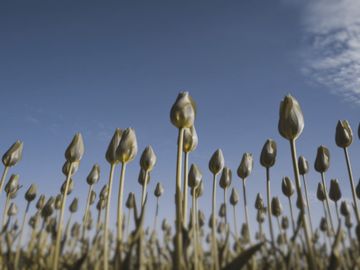
Dog
Sees blues and yellows
- Blue + yellow: Sees mostly blues and yellows. Red and green look alike.
- 7.7× blurrier: Sees about 7.7 times less detail than you.
- 1.3× slower: Fast things look about 1.3 times slower to a dog.
seelikeanimals.com/animals/mammals/dog/
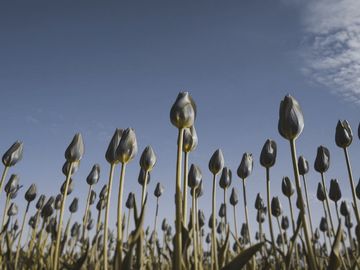
Horse
Sees blues and yellows
- Blue + yellow: Sees mostly blues and yellows. Red and green look alike.
- 3.2× blurrier: Sees about 3.2 times less detail than you.
- All around: Sees almost all the way around. Only a slice behind its head is hidden.
seelikeanimals.com/animals/mammals/horse/
Brown rat
Sees ultraviolet
- Ultraviolet: Sees ultraviolet, a colour you can't see at all.
- 43× blurrier: Sees about 43 times less detail than you.
- A brown rat takes in fewer snapshots of the world each second than you: about five sixths as many.
seelikeanimals.com/animals/mammals/brown-rat/
House mouse
Sees ultraviolet
- Ultraviolet: Sees ultraviolet, a colour you can't see at all.
- 128× blurrier: Sees about 128 times less detail than you.
- A house mouse takes in fewer snapshots of the world each second than you: about two thirds as many.
seelikeanimals.com/animals/mammals/house-mouse/
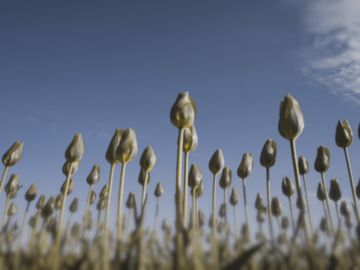
Cow
Sees blues and yellows
- Blue + yellow: Sees mostly blues and yellows. Red and green look alike.
- 13× blurrier: Sees about 13 times less detail than you.
- The zone where both its eyes see the same thing is about a quarter as wide as yours.
seelikeanimals.com/animals/mammals/cow/
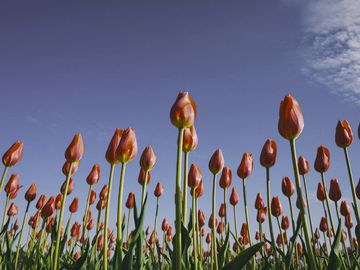
Rhesus macaque
Colours a lot like yours
- Like you: Sees colours a lot like you do.
- 1.2× blurrier: Sees about 1.2 times less detail than you.
- 1.3× slower: Fast things look about 1.3 times slower to a rhesus macaque.
seelikeanimals.com/animals/mammals/rhesus-macaque/
Mongolian jird
Sees ultraviolet
- Ultraviolet: Sees ultraviolet, a colour you can't see at all.
- 35× blurrier: Sees about 35 times less detail than you.
- The zone where both its eyes see the same thing is about a third as wide as yours.
seelikeanimals.com/animals/mammals/mongolian-jird/
-
Grey wolf
Sees blues and yellows
- Blue + yellow: Sees mostly blues and yellows. Red and green look alike.
- 4.4× blurrier: Sees about 4.4 times less detail than you.
- 1.4× slower: Fast things look about 1.4 times slower to a grey wolf.
seelikeanimals.com/animals/mammals/grey-wolf/
-
Pig
Sees blues and yellows
- Blue + yellow: Sees mostly blues and yellows. Red and green look alike.
- 6.4× blurrier: Sees about 6.4 times less detail than you.
- Sees fast motion at about the same speed as you.
seelikeanimals.com/animals/mammals/pig/
-
Sheep
Sees blues and yellows
- Blue + yellow: Sees mostly blues and yellows. Red and green look alike.
- 11× blurrier: Sees about 11 times less detail than you.
- Sees fast motion at about the same speed as you.
seelikeanimals.com/animals/mammals/sheep/
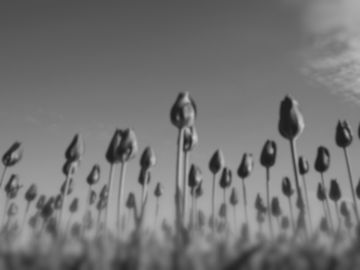
Bottlenose dolphin
Sees no colour at all
- No colour: Sees no colour at all, only light and dark.
- 19× blurrier: Sees about 19 times less detail than you.
- Mirror eyes: Sees well in dim light: a mirror layer at the back of its eyes bounces light back.
seelikeanimals.com/animals/mammals/bottlenose-dolphin/
-
Goat
Sees blues and yellows
- Blue + yellow: Sees mostly blues and yellows. Red and green look alike.
- 7.6× blurrier: Sees about 7.6 times less detail than you.
- The zone where both its eyes see the same thing is about a third as wide as yours.
seelikeanimals.com/animals/mammals/goat/
-
Rabbit
Sees blues and yellows
- Blue + yellow: Sees mostly blues and yellows. Red and green look alike.
- 24× blurrier: Sees about 24 times less detail than you.
- A rabbit takes in fewer snapshots of the world each second than you: about half as many.
seelikeanimals.com/animals/mammals/rabbit/
-
White-tailed deer
Sees blues and yellows
- Blue + yellow: Sees mostly blues and yellows. Red and green look alike.
- Keeps no fixed hours: it is up by day and by night.
seelikeanimals.com/animals/mammals/white-tailed-deer/
Big brown bat
128 times blurrier than you
- 128× blurrier: Sees about 128 times less detail than you.
- Night shift: Most of its day happens at night.
- Horizon stripe: Its sharpest vision is a stripe along the horizon, not a single spot.
seelikeanimals.com/animals/mammals/big-brown-bat/
-
Common treeshrew
Sees blues and yellows
- Blue + yellow: Sees mostly blues and yellows. Red and green look alike.
- 14× blurrier: Sees about 14 times less detail than you.
- 1.5× slower: Fast things look about 1.5 times slower to a common treeshrew.
seelikeanimals.com/animals/mammals/common-treeshrew/
-
Ferret
Sees blues and yellows
- Blue + yellow: Sees mostly blues and yellows. Red and green look alike.
- 25× blurrier: Sees about 25 times less detail than you.
- Wide: Sees a bit wider than you.
seelikeanimals.com/animals/mammals/ferret/
-
Northern tree shrew
Sees blues and yellows
- Blue + yellow: Sees mostly blues and yellows. Red and green look alike.
- 30× blurrier: Sees about 30 times less detail than you.
- Sees fast motion at about the same speed as you.
seelikeanimals.com/animals/mammals/northern-tree-shrew/
-
African elephant
Sees blues and yellows
- Blue + yellow: Sees mostly blues and yellows. Red and green look alike.
- 7.4× blurrier: Sees about 7.4 times less detail than you.
- Keeps no fixed hours: it is up by day and by night.
seelikeanimals.com/animals/mammals/african-elephant/
-
Daurian ground squirrel
Sees blues and yellows
- Blue + yellow: Sees mostly blues and yellows. Red and green look alike.
- 16× blurrier: Sees about 16 times less detail than you.
- Active by day, like you.
seelikeanimals.com/animals/mammals/daurian-ground-squirrel/
-
Gray mouse lemur
Sees blues and yellows
- Blue + yellow: Sees mostly blues and yellows. Red and green look alike.
- 14× blurrier: Sees about 14 times less detail than you.
- Night shift: Most of its day happens at night.
seelikeanimals.com/animals/mammals/gray-mouse-lemur/
-
Tammar wallaby
Sees blues and yellows
- Blue + yellow: Sees mostly blues and yellows. Red and green look alike.
- 17× blurrier: Sees about 17 times less detail than you.
- The zone where both its eyes see the same thing is about half as wide as yours.
seelikeanimals.com/animals/mammals/tammar-wallaby/
-
Thirteen-lined ground squirrel
Sees blues and yellows
- Blue + yellow: Sees mostly blues and yellows. Red and green look alike.
- 16× blurrier: Sees about 16 times less detail than you.
- Active by day, like you.
seelikeanimals.com/animals/mammals/thirteen-lined-ground-squirrel/
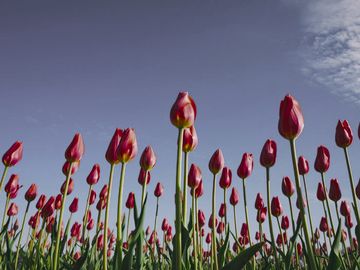
Saltwater crocodile
Colours a lot like yours
- Like you: Sees colours a lot like you do.
- Mirror eyes: Sees well in dim light: a mirror layer at the back of its eyes bounces light back.
- Horizon stripe: Its sharpest vision is a stripe along the horizon, not a single spot.
seelikeanimals.com/animals/reptiles/saltwater-crocodile/
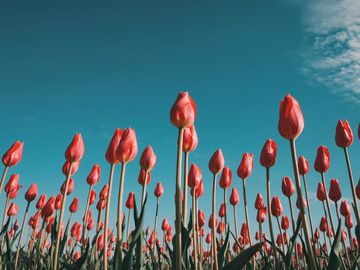
Green anole
4 kinds of colour
- 4 colours: Sees 4 kinds of colour; you see 3.
- A green anole takes in fewer snapshots of the world each second than you: about half as many.
- Active by day, like you.
seelikeanimals.com/animals/reptiles/green-anole/
Tokay gecko
Sees ultraviolet
- Ultraviolet: Sees ultraviolet, a colour you can't see at all.
- A tokay gecko takes in fewer snapshots of the world each second than you: about a third as many.
- Night shift: Most of its day happens at night.
seelikeanimals.com/animals/reptiles/tokay-gecko/
Panther chameleon
6 kinds of colour
- 6 colours: Sees 6 kinds of colour; you see 3.
- Active by day, like you.
- Has one sharpest spot in each eye, like you.
seelikeanimals.com/animals/reptiles/panther-chameleon/
Red-eared slider
4 kinds of colour
- 4 colours: Sees 4 kinds of colour; you see 3.
- A red-eared slider takes in fewer snapshots of the world each second than you: about nine tenths as many.
- Active by day, like you.
seelikeanimals.com/animals/reptiles/red-eared-slider/
-
Anole lizards (Anolis grahami)
4 kinds of colour
- 4 colours: Sees 4 kinds of colour; you see 3.
- An anole lizards takes in fewer snapshots of the world each second than you: about half as many.
- Active by day, like you.
seelikeanimals.com/animals/reptiles/anole-lizards-anolis-grahami/
-
Anole lizards (Anolis gundlachi)
4 kinds of colour
- 4 colours: Sees 4 kinds of colour; you see 3.
- An anole lizards takes in fewer snapshots of the world each second than you: about nine tenths as many.
- Active by day, like you.
seelikeanimals.com/animals/reptiles/anole-lizards-anolis-gundlachi/
-
Anole lizards (Anolis lineatopus)
4 kinds of colour
- 4 colours: Sees 4 kinds of colour; you see 3.
- An anole lizards takes in fewer snapshots of the world each second than you: about half as many.
- Active by day, like you.
seelikeanimals.com/animals/reptiles/anole-lizards-anolis-lineatopus/
-
Anole lizards (Anolis sagrei)
4 kinds of colour
- 4 colours: Sees 4 kinds of colour; you see 3.
- An anole lizards takes in fewer snapshots of the world each second than you: about half as many.
- Active by day, like you.
seelikeanimals.com/animals/reptiles/anole-lizards-anolis-sagrei/
-
Green sea turtle
4 kinds of colour
- 4 colours: Sees 4 kinds of colour; you see 3.
- A green sea turtle takes in fewer snapshots of the world each second than you: about two thirds as many.
- Keeps no fixed hours: it is up by day and by night.
seelikeanimals.com/animals/reptiles/green-sea-turtle/
-
Loggerhead
4 kinds of colour
- 4 colours: Sees 4 kinds of colour; you see 3.
- A loggerhead takes in fewer snapshots of the world each second than you: about two thirds as many.
- Keeps no fixed hours: it is up by day and by night.
seelikeanimals.com/animals/reptiles/loggerhead/
-
Anole lizards (Anolis cristatellus)
4 kinds of colour
- 4 colours: Sees 4 kinds of colour; you see 3.
- Sees fast motion at about the same speed as you.
- Active by day, like you.
seelikeanimals.com/animals/reptiles/anole-lizards-anolis-cristatellus/
-
Anole lizards (Anolis pulchellus)
4 kinds of colour
- 4 colours: Sees 4 kinds of colour; you see 3.
- Sees fast motion at about the same speed as you.
- Active by day, like you.
seelikeanimals.com/animals/reptiles/anole-lizards-anolis-pulchellus/
-
Common garter snake
4 kinds of colour
- 4 colours: Sees 4 kinds of colour; you see 3.
- Active by day, like you.
seelikeanimals.com/animals/reptiles/common-garter-snake/
-
Flap-necked chameleon
7 kinds of colour
- 7 colours: Sees 7 kinds of colour; you see 3.
- Active by day, like you.
seelikeanimals.com/animals/reptiles/flap-necked-chameleon/
-
Ornate dragon lizard
4 kinds of colour
- 4 colours: Sees 4 kinds of colour; you see 3.
- Active by day, like you.
seelikeanimals.com/animals/reptiles/ornate-dragon-lizard/
-
Tawny dragon
5 kinds of colour
- 5 colours: Sees 5 kinds of colour; you see 3.
- Active by day, like you.
seelikeanimals.com/animals/reptiles/tawny-dragon/
-
Ball python
Sees ultraviolet
- Ultraviolet: Sees ultraviolet, a colour you can't see at all.
- Night shift: Most of its day happens at night.
seelikeanimals.com/animals/reptiles/ball-python/
-
Helmet gecko
Sees ultraviolet
- Ultraviolet: Sees ultraviolet, a colour you can't see at all.
- Night shift: Most of its day happens at night.
seelikeanimals.com/animals/reptiles/helmet-gecko/
-
Indo-Pacific gecko
Sees ultraviolet
- Ultraviolet: Sees ultraviolet, a colour you can't see at all.
- Night shift: Most of its day happens at night.
seelikeanimals.com/animals/reptiles/indo-pacific-gecko/
-
Ornate reef seasnake
Sees ultraviolet
- Ultraviolet: Sees ultraviolet, a colour you can't see at all.
- Keeps no fixed hours: it is up by day and by night.
seelikeanimals.com/animals/reptiles/ornate-reef-seasnake/
-
Green iguana
Sees in slow motion
- 1.1× slower: Fast things look about 1.1 times slower to a green iguana.
- Active by day, like you.
seelikeanimals.com/animals/reptiles/green-iguana/
-
Inagua least gecko
Busy at night
- An inagua least gecko takes in fewer snapshots of the world each second than you: about half as many.
- Night shift: Most of its day happens at night.
seelikeanimals.com/animals/reptiles/inagua-least-gecko/
-
Anole lizard (Anolis beckeri)
- An anole lizard takes in fewer snapshots of the world each second than you: about half as many.
- Active by day, like you.
seelikeanimals.com/animals/reptiles/anole-lizard-anolis-beckeri/
Northern leopard frog
23 times blurrier than you
- A northern leopard frog sees with 2 colour types; you have 3.
- 23× blurrier: Sees about 23 times less detail than you.
- 17× more light: In the dark, each light-catching cell in the eyes of a northern leopard frog gathers about 17 times more light than one of yours.
seelikeanimals.com/animals/amphibians/northern-leopard-frog/
-
Crab-eating frog
Sees blues and yellows
- Blue + yellow: Sees mostly blues and yellows. Red and green look alike.
- Night shift: Most of its day happens at night.
seelikeanimals.com/animals/amphibians/crab-eating-frog/
-
Common frog
Sees blues and yellows
- Blue + yellow: Sees mostly blues and yellows. Red and green look alike.
- Keeps no fixed hours: it is up by day and by night.
seelikeanimals.com/animals/amphibians/common-frog/
-
Tiger salamander
4 kinds of colour
- 4 colours: Sees 4 kinds of colour; you see 3.
- A tiger salamander takes in fewer snapshots of the world each second than you: about half as many.
- Keeps no fixed hours: it is up by day and by night.
seelikeanimals.com/animals/amphibians/tiger-salamander/
-
Asiatic toad
Sees no colour at all
- No colour: Sees no colour at all, only light and dark.
- Night shift: Most of its day happens at night.
seelikeanimals.com/animals/amphibians/asiatic-toad/
-
Bufo toad
Busy at night
- A bufo toad takes in fewer snapshots of the world each second than you: about a quarter as many.
- Night shift: Most of its day happens at night.
seelikeanimals.com/animals/amphibians/bufo-toad/
-
Common toad
Sees no colour at all
- No colour: Sees no colour at all, only light and dark.
- Night shift: Most of its day happens at night.
seelikeanimals.com/animals/amphibians/common-toad/
-
Tiger-striped leaf frog
Sees no colour at all
- No colour: Sees no colour at all, only light and dark.
- Night shift: Most of its day happens at night.
seelikeanimals.com/animals/amphibians/tiger-striped-leaf-frog/
-
African clawed frog
4 kinds of colour
- 4 colours: Sees 4 kinds of colour; you see 3.
- Keeps no fixed hours: it is up by day and by night.
seelikeanimals.com/animals/amphibians/african-clawed-frog/
-
Green frog
- A green frog takes in fewer snapshots of the world each second than you: about a third as many.
- Keeps no fixed hours: it is up by day and by night.
seelikeanimals.com/animals/amphibians/green-frog/
-
Phantasmal poison frog
Sees no colour at all
- No colour: Sees no colour at all, only light and dark.
- Active by day, like you.
seelikeanimals.com/animals/amphibians/phantasmal-poison-frog/
-
Rough-skinned green treefrog
Busy at night
- A rough-skinned green treefrog sees with 2 colour types; you have 3.
- Night shift: Most of its day happens at night.
seelikeanimals.com/animals/amphibians/rough-skinned-green-treefrog/
-
Strawberry poison frog
Colours a lot like yours
- Like you: Sees colours a lot like you do.
- 1.3× more light: In the dark, each light-catching cell in the eyes of a strawberry poison frog gathers about 1.3 times more light than one of yours.
seelikeanimals.com/animals/amphibians/strawberry-poison-frog/
-
American bullfrog
Colours a lot like yours
- Like you: Sees colours a lot like you do.
- Keeps no fixed hours: it is up by day and by night.
seelikeanimals.com/animals/amphibians/american-bullfrog/
-
Green and black poison frog
Colours a lot like yours
- Like you: Sees colours a lot like you do.
- Active by day, like you.
seelikeanimals.com/animals/amphibians/green-and-black-poison-frog/
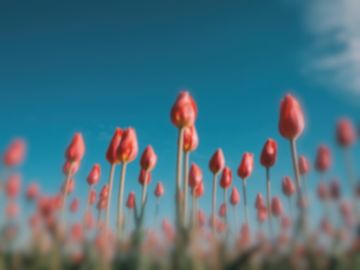
Goldfish
4 kinds of colour
- 4 colours: Sees 4 kinds of colour; you see 3.
- 21× blurrier: Sees about 21 times less detail than you.
- A goldfish takes in fewer snapshots of the world each second than you: about nine tenths as many.
seelikeanimals.com/animals/fish/goldfish/
Zebrafish
4 kinds of colour
- 4 colours: Sees 4 kinds of colour; you see 3.
- 108× blurrier: Sees about 108 times less detail than you.
- A zebrafish takes in fewer snapshots of the world each second than you: about half as many.
seelikeanimals.com/animals/fish/zebrafish/
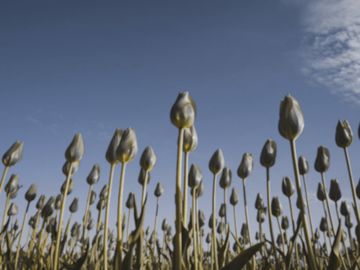
Stoplight loosejaw
Sees blues and yellows
- Blue + yellow: Sees mostly blues and yellows. Red and green look alike.
- 11× blurrier: Sees about 11 times less detail than you.
seelikeanimals.com/animals/fish/stoplight-loosejaw/
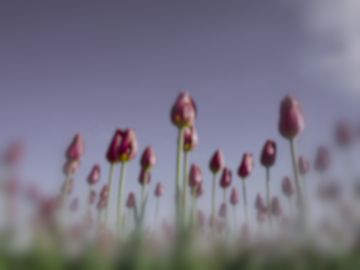
Picasso triggerfish
Colours a lot like yours
- Like you: Sees colours a lot like you do.
- 36× blurrier: Sees about 36 times less detail than you.
seelikeanimals.com/animals/fish/picasso-triggerfish/
-
Yellowfin tuna
Sees blues and yellows
- Blue + yellow: Sees mostly blues and yellows. Red and green look alike.
- 3.9× blurrier: Sees about 3.9 times less detail than you.
- 1.3× slower: Fast things look about 1.3 times slower to a yellowfin tuna.
seelikeanimals.com/animals/fish/yellowfin-tuna/
-
Guppy
6 kinds of colour
- 6 colours: Sees 6 kinds of colour; you see 3.
- 9.5× blurrier: Sees about 9.5 times less detail than you.
- 1.1× slower: Fast things look about 1.1 times slower to a guppy.
seelikeanimals.com/animals/fish/guppy/
-
Alaska pollock
Sees blues and yellows
- Blue + yellow: Sees mostly blues and yellows. Red and green look alike.
- 11× blurrier: Sees about 11 times less detail than you.
seelikeanimals.com/animals/fish/alaska-pollock/
-
Bigscale deep-sea smelt
Sees blues and yellows
- Blue + yellow: Sees mostly blues and yellows. Red and green look alike.
- 13× blurrier: Sees about 13 times less detail than you.
seelikeanimals.com/animals/fish/bigscale-deep-sea-smelt/
-
Blackhead seabream
Sees blues and yellows
- Blue + yellow: Sees mostly blues and yellows. Red and green look alike.
- 7.3× blurrier: Sees about 7.3 times less detail than you.
seelikeanimals.com/animals/fish/blackhead-seabream/
-
European plaice
Sees blues and yellows
- Blue + yellow: Sees mostly blues and yellows. Red and green look alike.
- 13× blurrier: Sees about 13 times less detail than you.
seelikeanimals.com/animals/fish/european-plaice/
-
Goldsilk seabream
Sees blues and yellows
- Blue + yellow: Sees mostly blues and yellows. Red and green look alike.
- 6.4× blurrier: Sees about 6.4 times less detail than you.
seelikeanimals.com/animals/fish/goldsilk-seabream/
-
Japanese rice fish
7 kinds of colour
- 7 colours: Sees 7 kinds of colour; you see 3.
- 113× blurrier: Sees about 113 times less detail than you.
- A Japanese rice fish takes in fewer snapshots of the world each second than you: about two thirds as many.
seelikeanimals.com/animals/fish/japanese-rice-fish/
-
Largescale archerfish
Sees blues and yellows
- Blue + yellow: Sees mostly blues and yellows. Red and green look alike.
- 19× blurrier: Sees about 19 times less detail than you.
seelikeanimals.com/animals/fish/largescale-archerfish/
-
Red seabream
Sees blues and yellows
- Blue + yellow: Sees mostly blues and yellows. Red and green look alike.
- 18× blurrier: Sees about 18 times less detail than you.
seelikeanimals.com/animals/fish/red-seabream/
-
Great barracuda
Sees blues and yellows
- Blue + yellow: Sees mostly blues and yellows. Red and green look alike.
- 3.4× blurrier: Sees about 3.4 times less detail than you.
seelikeanimals.com/animals/fish/great-barracuda/
-
Rainbow trout
5 kinds of colour
- 5 colours: Sees 5 kinds of colour; you see 3.
- 15× blurrier: Sees about 15 times less detail than you.
- A rainbow trout takes in fewer snapshots of the world each second than you: about half as many.
seelikeanimals.com/animals/fish/rainbow-trout/
-
American yellow perch
18 times blurrier than you
- 18× blurrier: Sees about 18 times less detail than you.
- An American yellow perch takes in fewer snapshots of the world each second than you: about a third as many.
seelikeanimals.com/animals/fish/american-yellow-perch/
-
Common carp
Sees no colour at all
- No colour: Sees no colour at all, only light and dark.
- 16× blurrier: Sees about 16 times less detail than you.
seelikeanimals.com/animals/fish/common-carp/
-
Half-naked hatchetfish
Sees no colour at all
- No colour: Sees no colour at all, only light and dark.
- 13× blurrier: Sees about 13 times less detail than you.
seelikeanimals.com/animals/fish/half-naked-hatchetfish/
-
Hatchetfish
Sees no colour at all
- No colour: Sees no colour at all, only light and dark.
- 5.8× blurrier: Sees about 5.8 times less detail than you.
seelikeanimals.com/animals/fish/hatchetfish/
-
Herring
Sees no colour at all
- No colour: Sees no colour at all, only light and dark.
- 7.7× blurrier: Sees about 7.7 times less detail than you.
seelikeanimals.com/animals/fish/herring/
-
Slime flounder
Sees no colour at all
- No colour: Sees no colour at all, only light and dark.
- 12× blurrier: Sees about 12 times less detail than you.
seelikeanimals.com/animals/fish/slime-flounder/
-
Banded archerfish
Colours a lot like yours
- Like you: Sees colours a lot like you do.
- 4.8× blurrier: Sees about 4.8 times less detail than you.
- Has no single sharpest spot in its eyes, unlike you.
seelikeanimals.com/animals/fish/banded-archerfish/
-
Ambon damelfish
47 times blurrier than you
- 47× blurrier: Sees about 47 times less detail than you.
- Active by day, like you.
seelikeanimals.com/animals/fish/ambon-damelfish/
Brownbanded bamboo shark
Sees no colour at all
- No colour: Sees no colour at all, only light and dark.
- 35× blurrier: Sees about 35 times less detail than you.
- A brownbanded bamboo shark takes in fewer snapshots of the world each second than you: about three quarters as many.
seelikeanimals.com/animals/sharks-rays/brownbanded-bamboo-shark/
-
Scalloped hammerhead shark
Sees no colour at all
- No colour: Sees no colour at all, only light and dark.
- 9.3× blurrier: Sees about 9.3 times less detail than you.
- A scalloped hammerhead shark takes in fewer snapshots of the world each second than you: about half as many.
seelikeanimals.com/animals/sharks-rays/scalloped-hammerhead-shark/
-
Australian ghostshark
Sees no colour at all
- No colour: Sees no colour at all, only light and dark.
- 26× blurrier: Sees about 26 times less detail than you.
seelikeanimals.com/animals/sharks-rays/australian-ghostshark/
-
Blacktip reef shark
Sees no colour at all
- No colour: Sees no colour at all, only light and dark.
- 17× blurrier: Sees about 17 times less detail than you.
seelikeanimals.com/animals/sharks-rays/blacktip-reef-shark/
-
Bull shark
Sees no colour at all
- No colour: Sees no colour at all, only light and dark.
- 15× blurrier: Sees about 15 times less detail than you.
seelikeanimals.com/animals/sharks-rays/bull-shark/
-
Epaulette shark
23 times blurrier than you
- 23× blurrier: Sees about 23 times less detail than you.
- An epaulette shark takes in fewer snapshots of the world each second than you: about two thirds as many.
seelikeanimals.com/animals/sharks-rays/epaulette-shark/
-
Port jackson shark
20 times blurrier than you
- 20× blurrier: Sees about 20 times less detail than you.
- A port jackson shark takes in fewer snapshots of the world each second than you: about half as many.
seelikeanimals.com/animals/sharks-rays/port-jackson-shark/
-
Sandbar shark
7.2 times blurrier than you
- 7.2× blurrier: Sees about 7.2 times less detail than you.
- A sandbar shark takes in fewer snapshots of the world each second than you: about nine tenths as many.
seelikeanimals.com/animals/sharks-rays/sandbar-shark/
-
Smallspotted catshark
16 times blurrier than you
- 16× blurrier: Sees about 16 times less detail than you.
- A smallspotted catshark takes in fewer snapshots of the world each second than you: about a quarter as many.
seelikeanimals.com/animals/sharks-rays/smallspotted-catshark/
-
Tiger shark
10 times blurrier than you
- 10× blurrier: Sees about 10 times less detail than you.
- A tiger shark takes in fewer snapshots of the world each second than you: about two thirds as many.
seelikeanimals.com/animals/sharks-rays/tiger-shark/
-
Blacknose shark
Sees no colour at all
- No colour: Sees no colour at all, only light and dark.
- A blacknose shark takes in fewer snapshots of the world each second than you: about a third as many.
- All around: Sees almost all the way around. Only a slice behind its head is hidden.
seelikeanimals.com/animals/sharks-rays/blacknose-shark/
-
Bonnethead
Sees no colour at all
- No colour: Sees no colour at all, only light and dark.
- A bonnethead takes in fewer snapshots of the world each second than you: about half as many.
- All around: Sees almost all the way around. Only a slice behind its head is hidden.
seelikeanimals.com/animals/sharks-rays/bonnethead/
-
Lemon shark
Sees no colour at all
- No colour: Sees no colour at all, only light and dark.
- A lemon shark takes in fewer snapshots of the world each second than you: about two thirds as many.
- All around: Sees almost all the way around. Only a slice behind its head is hidden.
seelikeanimals.com/animals/sharks-rays/lemon-shark/
-
Bigeye thresher shark
6 times blurrier than you
- 6× blurrier: Sees about 6 times less detail than you.
seelikeanimals.com/animals/sharks-rays/bigeye-thresher-shark/
-
Blackbelly lanternshark
25 times blurrier than you
- 25× blurrier: Sees about 25 times less detail than you.
seelikeanimals.com/animals/sharks-rays/blackbelly-lanternshark/
-
Blackmouth catshark
16 times blurrier than you
- 16× blurrier: Sees about 16 times less detail than you.
seelikeanimals.com/animals/sharks-rays/blackmouth-catshark/
-
Blue shark
9.6 times blurrier than you
- 9.6× blurrier: Sees about 9.6 times less detail than you.
seelikeanimals.com/animals/sharks-rays/blue-shark/
-
Carpenter's chimaera
22 times blurrier than you
- 22× blurrier: Sees about 22 times less detail than you.
seelikeanimals.com/animals/sharks-rays/carpenters-chimaera/
-
Cookie cutter shark
24 times blurrier than you
- 24× blurrier: Sees about 24 times less detail than you.
seelikeanimals.com/animals/sharks-rays/cookie-cutter-shark/
-
Dogfish
8.5 times blurrier than you
- 8.5× blurrier: Sees about 8.5 times less detail than you.
seelikeanimals.com/animals/sharks-rays/dogfish/
-
Dwarf spotted wobbegong shark
17 times blurrier than you
- 17× blurrier: Sees about 17 times less detail than you.
seelikeanimals.com/animals/sharks-rays/dwarf-spotted-wobbegong-shark/
-
Great hammerhead shark
9.5 times blurrier than you
- 9.5× blurrier: Sees about 9.5 times less detail than you.
seelikeanimals.com/animals/sharks-rays/great-hammerhead-shark/
-
Grey reef shark
6.4 times blurrier than you
- 6.4× blurrier: Sees about 6.4 times less detail than you.
seelikeanimals.com/animals/sharks-rays/grey-reef-shark/
-
Japanese catshark
22 times blurrier than you
- 22× blurrier: Sees about 22 times less detail than you.
seelikeanimals.com/animals/sharks-rays/japanese-catshark/
Western honey bee
Sees ultraviolet
- Ultraviolet: Sees ultraviolet, a colour you can't see at all.
- 255× blurrier: Sees about 255 times less detail than you.
- 3.7× slower: Fast things look about 3.7 times slower to a western honey bee.
seelikeanimals.com/animals/insects/western-honey-bee/

Fruit fly (Drosophila melanogaster)
7 kinds of colour
- 7 colours: Sees 7 kinds of colour; you see 3.
- 510× blurrier: Sees about 510 times less detail than you.
- Sees fast motion at about the same speed as you.
seelikeanimals.com/animals/insects/fruit-fly-drosophila-melanogaster/
Housefly
5 kinds of colour
- 5 colours: Sees 5 kinds of colour; you see 3.
- 319× blurrier: Sees about 319 times less detail than you.
- 1.4× slower: Fast things look about 1.4 times slower to a housefly.
seelikeanimals.com/animals/insects/housefly/
Asian swallowtail
5 kinds of colour
- 5 colours: Sees 5 kinds of colour; you see 3.
- 1.8× slower: Fast things look about 1.8 times slower to an Asian swallowtail.
- Active by day, like you.
seelikeanimals.com/animals/insects/asian-swallowtail/
-
Monarch butterfly
8 kinds of colour
- 8 colours: Sees 8 kinds of colour; you see 3.
- Active by day, like you.
seelikeanimals.com/animals/insects/monarch-butterfly/
Blowfly (Calliphora vicina)
5 kinds of colour
- 5 colours: Sees 5 kinds of colour; you see 3.
- 142× blurrier: Sees about 142 times less detail than you.
seelikeanimals.com/animals/insects/blowfly-calliphora-vicina/

Buff-tailed bumblebee
Sees ultraviolet
- Ultraviolet: Sees ultraviolet, a colour you can't see at all.
- 304× blurrier: Sees about 304 times less detail than you.
- Active by day, like you.
seelikeanimals.com/animals/insects/buff-tailed-bumblebee/
Bull ant (Myrmecia gulosa)
Sees blues and yellows
- Blue + yellow: Sees mostly blues and yellows. Red and green look alike.
- 220× blurrier: Sees about 220 times less detail than you.
- 2.5× slower: Fast things look about 2.5 times slower to a bull ant.
seelikeanimals.com/animals/insects/bull-ant-myrmecia-gulosa/
Praying mantis
64 times blurrier than you
- 64× blurrier: Sees about 64 times less detail than you.
- Has one sharpest spot in each eye, like you.
seelikeanimals.com/animals/insects/praying-mantis/
-
Asian palm weevil
4 kinds of colour
- 4 colours: Sees 4 kinds of colour; you see 3.
- 193× blurrier: Sees about 193 times less detail than you.
- 1.7× slower: Fast things look about 1.7 times slower to an Asian palm weevil.
seelikeanimals.com/animals/insects/asian-palm-weevil/
-
American cockroach
Sees ultraviolet
- Ultraviolet: Sees ultraviolet, a colour you can't see at all.
- 304× blurrier: Sees about 304 times less detail than you.
- An American cockroach takes in fewer snapshots of the world each second than you: about two thirds as many.
seelikeanimals.com/animals/insects/american-cockroach/
-
Elephant hawk-moth
Sees ultraviolet
- Ultraviolet: Sees ultraviolet, a colour you can't see at all.
- 255× blurrier: Sees about 255 times less detail than you.
- Night shift: Most of its day happens at night.
seelikeanimals.com/animals/insects/elephant-hawk-moth/
-
Hummingbird hawk-moth
Sees ultraviolet
- Ultraviolet: Sees ultraviolet, a colour you can't see at all.
- 83× blurrier: Sees about 83 times less detail than you.
- 41× more light: In the dark, each light-catching cell in the eyes of a hummingbird hawk-moth gathers about 41 times more light than one of yours.
seelikeanimals.com/animals/insects/hummingbird-hawk-moth/
-
Bull ant (Myrmecia tarsata)
63 times blurrier than you
- 63× blurrier: Sees about 63 times less detail than you.
- 2.7× slower: Fast things look about 2.7 times slower to a bull ant.
seelikeanimals.com/animals/insects/bull-ant-myrmecia-tarsata/
-
Common eggfly
112 times blurrier than you
- 112× blurrier: Sees about 112 times less detail than you.
- 3× slower: Fast things look about 3 times slower to a common eggfly.
seelikeanimals.com/animals/insects/common-eggfly/
-
Common evening brown
182 times blurrier than you
- 182× blurrier: Sees about 182 times less detail than you.
- 3.3× slower: Fast things look about 3.3 times slower to a common evening brown.
seelikeanimals.com/animals/insects/common-evening-brown/
-
Desert locust
4 kinds of colour
- 4 colours: Sees 4 kinds of colour; you see 3.
- 120× blurrier: Sees about 120 times less detail than you.
seelikeanimals.com/animals/insects/desert-locust/
-
Migratory locust
Sees ultraviolet
- Ultraviolet: Sees ultraviolet, a colour you can't see at all.
- 120× blurrier: Sees about 120 times less detail than you.
- Sees fast motion at about the same speed as you.
seelikeanimals.com/animals/insects/migratory-locust/
-
Tsetse fly (Glossina pallidipes)
101 times blurrier than you
- 101× blurrier: Sees about 101 times less detail than you.
- 4.7× slower: Fast things look about 4.7 times slower to a tsetse fly. That's why it's so hard to swat.
seelikeanimals.com/animals/insects/tsetse-fly-glossina-pallidipes/
-
Saharan silver ant
Sees ultraviolet
- Ultraviolet: Sees ultraviolet, a colour you can't see at all.
- 490× blurrier: Sees about 490 times less detail than you.
- Active by day, like you.
seelikeanimals.com/animals/insects/saharan-silver-ant/
-
Yellow fever mosquito
Sees ultraviolet
- Ultraviolet: Sees ultraviolet, a colour you can't see at all.
- 797× blurrier: Sees about 797 times less detail than you.
seelikeanimals.com/animals/insects/yellow-fever-mosquito/
-
Nocturnal sweat bee
213 times blurrier than you
- 213× blurrier: Sees about 213 times less detail than you.
- 2.9× more light: In the dark, each light-catching cell in the eyes of a nocturnal sweat bee gathers about 2.9 times more light than one of yours.
seelikeanimals.com/animals/insects/nocturnal-sweat-bee/
-
Stick insect
911 times blurrier than you
- 911× blurrier: Sees about 911 times less detail than you.
- A stick insect takes in fewer snapshots of the world each second than you: about two thirds as many.
seelikeanimals.com/animals/insects/stick-insect/
-
Purple-winged mantis
199 times blurrier than you
- 199× blurrier: Sees about 199 times less detail than you.
- Sees fast motion at about the same speed as you.
seelikeanimals.com/animals/insects/purple-winged-mantis/
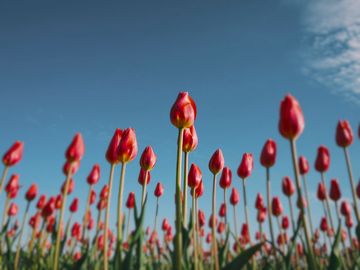
Portia jumping spider
5.3 times blurrier than you
- 5.3× blurrier: Sees about 5.3 times less detail than you.
- Has one sharpest spot in each eye, like you.
seelikeanimals.com/animals/spiders/portia-jumping-spider/
-
Tiger wandering spider
Sees ultraviolet
- Ultraviolet: Sees ultraviolet, a colour you can't see at all.
- A tiger wandering spider takes in fewer snapshots of the world each second than you: about a quarter as many.
- Night shift: Most of its day happens at night.
seelikeanimals.com/animals/spiders/tiger-wandering-spider/
-
Jumping spider (Menemerus fulvus)
4 kinds of colour
- 4 colours: Sees 4 kinds of colour; you see 3.
- Active by day, like you.
seelikeanimals.com/animals/spiders/jumping-spider-menemerus-fulvus/
-
Jumping spider (Maevia inclemens)
- A jumping spider takes in fewer snapshots of the world each second than you: about two thirds as many.
seelikeanimals.com/animals/spiders/jumping-spider-maevia-inclemens/
-
Wolf spider (Lycosa baltimoriana)
- A wolf spider takes in fewer snapshots of the world each second than you: about a quarter as many.
seelikeanimals.com/animals/spiders/wolf-spider-lycosa-baltimoriana/
-
Wolf spider (Lycosa beihaiensis)
- A wolf spider takes in fewer snapshots of the world each second than you: about a quarter as many.
seelikeanimals.com/animals/spiders/wolf-spider-lycosa-beihaiensis/
Peacock mantis shrimp
10 kinds of colour
- 10 colours: Sees 10 kinds of colour; you see 3.
- 58× blurrier: Sees about 58 times less detail than you.
seelikeanimals.com/animals/crustaceans/peacock-mantis-shrimp/
-
Blue crab
Sees blues and yellows
- Blue + yellow: Sees mostly blues and yellows. Red and green look alike.
- 114× blurrier: Sees about 114 times less detail than you.
seelikeanimals.com/animals/crustaceans/blue-crab/
-
Norway lobster
Sees blues and yellows
- Blue + yellow: Sees mostly blues and yellows. Red and green look alike.
- 123× blurrier: Sees about 123 times less detail than you.
seelikeanimals.com/animals/crustaceans/norway-lobster/
-
Common banded mantis shrimp
10 kinds of colour
- 10 colours: Sees 10 kinds of colour; you see 3.
- 43× blurrier: Sees about 43 times less detail than you.
seelikeanimals.com/animals/crustaceans/common-banded-mantis-shrimp/
-
Caridean shrimp
Sees no colour at all
- No colour: Sees no colour at all, only light and dark.
- 206× blurrier: Sees about 206 times less detail than you.
- A caridean shrimp takes in fewer snapshots of the world each second than you: about a quarter as many.
seelikeanimals.com/animals/crustaceans/caridean-shrimp/
-
Euphausiid shrimp (Stylocheiron maximum)
Sees no colour at all
- No colour: Sees no colour at all, only light and dark.
- 152× blurrier: Sees about 152 times less detail than you.
- An euphausiid shrimp takes in fewer snapshots of the world each second than you: about three quarters as many.
seelikeanimals.com/animals/crustaceans/euphausiid-shrimp-stylocheiron-maximum/
-
American lobster
Sees no colour at all
- No colour: Sees no colour at all, only light and dark.
- 168× blurrier: Sees about 168 times less detail than you.
seelikeanimals.com/animals/crustaceans/american-lobster/
-
Antarctic krill
Sees no colour at all
- No colour: Sees no colour at all, only light and dark.
- 290× blurrier: Sees about 290 times less detail than you.
seelikeanimals.com/animals/crustaceans/antarctic-krill/
-
Atlantic marsh fiddler
Sees no colour at all
- No colour: Sees no colour at all, only light and dark.
- 266× blurrier: Sees about 266 times less detail than you.
seelikeanimals.com/animals/crustaceans/atlantic-marsh-fiddler/
-
Ciliated mantis shrimp
10 kinds of colour
- 10 colours: Sees 10 kinds of colour; you see 3.
- 41× blurrier: Sees about 41 times less detail than you.
seelikeanimals.com/animals/crustaceans/ciliated-mantis-shrimp/
-
Euphausiid shrimp (Euphausia gibboides)
336 times blurrier than you
- 336× blurrier: Sees about 336 times less detail than you.
- An euphausiid shrimp takes in fewer snapshots of the world each second than you: about a third as many.
seelikeanimals.com/animals/crustaceans/euphausiid-shrimp-euphausia-gibboides/
-
Isada krill
Sees no colour at all
- No colour: Sees no colour at all, only light and dark.
- 375× blurrier: Sees about 375 times less detail than you.
seelikeanimals.com/animals/crustaceans/isada-krill/
-
Rock crabs
Sees no colour at all
- No colour: Sees no colour at all, only light and dark.
- 86× blurrier: Sees about 86 times less detail than you.
seelikeanimals.com/animals/crustaceans/rock-crabs/
-
Valuable blunt-tail prawn
Sees no colour at all
- No colour: Sees no colour at all, only light and dark.
- 375× blurrier: Sees about 375 times less detail than you.
seelikeanimals.com/animals/crustaceans/valuable-blunt-tail-prawn/
-
Pederson cleaner shrimp
637 times blurrier than you
- 637× blurrier: Sees about 637 times less detail than you.
- A pederson cleaner shrimp takes in fewer snapshots of the world each second than you: about five sixths as many.
seelikeanimals.com/animals/crustaceans/pederson-cleaner-shrimp/
-
Fiddler crab (Leptuca pugilator)
61 times blurrier than you
- A fiddler crab sees with 2 colour types; you have 3.
- 61× blurrier: Sees about 61 times less detail than you.
seelikeanimals.com/animals/crustaceans/fiddler-crab-leptuca-pugilator/
-
Giant red mysid
228 times blurrier than you
- A giant red mysid sees with 2 colour types; you have 3.
- 228× blurrier: Sees about 228 times less detail than you.
seelikeanimals.com/animals/crustaceans/giant-red-mysid/
-
Green crab
Colours a lot like yours
- Like you: Sees colours a lot like you do.
- 125× blurrier: Sees about 125 times less detail than you.
seelikeanimals.com/animals/crustaceans/green-crab/
-
Red swamp crayfish
Colours a lot like yours
- Like you: Sees colours a lot like you do.
- 172× blurrier: Sees about 172 times less detail than you.
seelikeanimals.com/animals/crustaceans/red-swamp-crayfish/
-
Ambon crinoid shrimp
375 times blurrier than you
- 375× blurrier: Sees about 375 times less detail than you.
seelikeanimals.com/animals/crustaceans/ambon-crinoid-shrimp/
-
American grass shrimp
455 times blurrier than you
- 455× blurrier: Sees about 455 times less detail than you.
seelikeanimals.com/animals/crustaceans/american-grass-shrimp/
-
Blueleg mantis shrimp
58 times blurrier than you
- 58× blurrier: Sees about 58 times less detail than you.
seelikeanimals.com/animals/crustaceans/blueleg-mantis-shrimp/
-
California green shrimp
95 times blurrier than you
- 95× blurrier: Sees about 95 times less detail than you.
seelikeanimals.com/animals/crustaceans/california-green-shrimp/
-
Deep sea shrimp
Sees blues and yellows
- Blue + yellow: Sees mostly blues and yellows. Red and green look alike.
- A deep sea shrimp takes in fewer snapshots of the world each second than you: about half as many.
seelikeanimals.com/animals/crustaceans/deep-sea-shrimp/
Common octopus
Sees no colour at all
- No colour: Sees no colour at all, only light and dark.
seelikeanimals.com/animals/molluscs/common-octopus/
Common cuttlefish
Sees no colour at all
- No colour: Sees no colour at all, only light and dark.
- A common cuttlefish takes in fewer snapshots of the world each second than you: about half as many.
seelikeanimals.com/animals/molluscs/common-cuttlefish/
-
Golden cuttlefish
Sees no colour at all
- No colour: Sees no colour at all, only light and dark.
- The zone where both its eyes see the same thing is about two thirds as wide as yours.
seelikeanimals.com/animals/molluscs/golden-cuttlefish/
-
Atlantic bobtail
Sees no colour at all
- No colour: Sees no colour at all, only light and dark.
seelikeanimals.com/animals/molluscs/atlantic-bobtail/
-
Bay scallop
Sees no colour at all
- No colour: Sees no colour at all, only light and dark.
seelikeanimals.com/animals/molluscs/bay-scallop/
-
Beka squid
Sees no colour at all
- No colour: Sees no colour at all, only light and dark.
seelikeanimals.com/animals/molluscs/beka-squid/
-
Bigfin reef squid
Sees no colour at all
- No colour: Sees no colour at all, only light and dark.
seelikeanimals.com/animals/molluscs/bigfin-reef-squid/
-
Chambered nautilus
Sees no colour at all
- No colour: Sees no colour at all, only light and dark.
seelikeanimals.com/animals/molluscs/chambered-nautilus/
-
European common squid
Sees no colour at all
- No colour: Sees no colour at all, only light and dark.
seelikeanimals.com/animals/molluscs/european-common-squid/
-
Giant African snail
- A giant African snail takes in fewer snapshots of the world each second than you: about a quarter as many.
seelikeanimals.com/animals/molluscs/giant-african-snail/
-
Gloomy octopus
Sees no colour at all
- No colour: Sees no colour at all, only light and dark.
seelikeanimals.com/animals/molluscs/gloomy-octopus/
-
Gold-spot octopus
Sees no colour at all
- No colour: Sees no colour at all, only light and dark.
seelikeanimals.com/animals/molluscs/gold-spot-octopus/
-
Great Atlantic scallop
Sees no colour at all
- No colour: Sees no colour at all, only light and dark.
seelikeanimals.com/animals/molluscs/great-atlantic-scallop/
-
Hammer octopus
Sees no colour at all
- No colour: Sees no colour at all, only light and dark.
seelikeanimals.com/animals/molluscs/hammer-octopus/
-
Hjort’s whiplash squid
Sees no colour at all
- No colour: Sees no colour at all, only light and dark.
seelikeanimals.com/animals/molluscs/hjorts-whiplash-squid/
-
Japanese flying squid
Sees no colour at all
- No colour: Sees no colour at all, only light and dark.
seelikeanimals.com/animals/molluscs/japanese-flying-squid/
-
Japanese spineless cuttlefish
Sees no colour at all
- No colour: Sees no colour at all, only light and dark.
seelikeanimals.com/animals/molluscs/japanese-spineless-cuttlefish/
-
Japanese squid
Sees no colour at all
- No colour: Sees no colour at all, only light and dark.
seelikeanimals.com/animals/molluscs/japanese-squid/
-
Jewel enope squid
Sees no colour at all
- No colour: Sees no colour at all, only light and dark.
seelikeanimals.com/animals/molluscs/jewel-enope-squid/
-
Kisslip cuttlefish
Sees no colour at all
- No colour: Sees no colour at all, only light and dark.
seelikeanimals.com/animals/molluscs/kisslip-cuttlefish/
-
Long arm octopus
Sees no colour at all
- No colour: Sees no colour at all, only light and dark.
seelikeanimals.com/animals/molluscs/long-arm-octopus/
-
Longfin inshore squid
Sees no colour at all
- No colour: Sees no colour at all, only light and dark.
seelikeanimals.com/animals/molluscs/longfin-inshore-squid/
-
Mimika bobtail squid
Sees no colour at all
- No colour: Sees no colour at all, only light and dark.
seelikeanimals.com/animals/molluscs/mimika-bobtail-squid/
-
Musky octopus
Sees no colour at all
- No colour: Sees no colour at all, only light and dark.
seelikeanimals.com/animals/molluscs/musky-octopus/
-
Horseshoe crab
Sees ultraviolet
- Ultraviolet: Sees ultraviolet, a colour you can't see at all.
- 277× blurrier: Sees about 277 times less detail than you.
seelikeanimals.com/animals/other/horseshoe-crab/
-
Australian lungfish
4 kinds of colour
- 4 colours: Sees 4 kinds of colour; you see 3.
seelikeanimals.com/animals/other/australian-lungfish/
-
Box jellyfish
Sees no colour at all
- No colour: Sees no colour at all, only light and dark.
- A box jellyfish takes in fewer snapshots of the world each second than you: about a quarter as many.
seelikeanimals.com/animals/other/box-jellyfish/
-
Coelacanth
Sees no colour at all
- No colour: Sees no colour at all, only light and dark.
seelikeanimals.com/animals/other/coelacanth/
-
Crown-of-thorns starfish
- A crown-of-thorns starfish takes in fewer snapshots of the world each second than you: about a quarter as many.
seelikeanimals.com/animals/other/crown-of-thorns-starfish/
-
Fan_worm
- A fan_worm takes in fewer snapshots of the world each second than you: about half as many.
seelikeanimals.com/animals/other/fan-worm/
-
Scale worm (Harmothoe imbricata)
- A scale worm takes in fewer snapshots of the world each second than you: about a quarter as many.
seelikeanimals.com/animals/other/scale-worm-harmothoe-imbricata/
-
Scale worm (Lepidonotus squamatus)
- A scale worm takes in fewer snapshots of the world each second than you: about a quarter as many.
seelikeanimals.com/animals/other/scale-worm-lepidonotus-squamatus/
-
Sea worm
- A sea worm takes in fewer snapshots of the world each second than you: about a quarter as many.
seelikeanimals.com/animals/other/sea-worm/
A simulation made from published eye studies. Not what the animal feels.
Where do the facts on the cards come from?
From the same fact engine as the rest of the site. Each fact is worked out from published eye measurements, and a card only says what the measurements support.
How do I play with the cards?
Deal them out and take turns reading the bold line. Others guess the animal before the picture is shown. Or sort the deck: sharpest eyes, most colours, widest view.
Can I copy the cards for my class?
Yes. Print as many as you need for your own class or home. The cards are free and need no account.